On over view of my  technical career at the bench (circa 1987-2015)

I am an award winning STEM educator with an international CV.

I have 35 years experience of biomedical science laboratory teaching and practice in diverse disciplines, including Cancer Research, Cardiovascular research, parasitology, Genetics and genomics and drug discovery, equiping me with practical experience in cell and molecular biology, protein biochemistry and drug discovery. This has resulted in excess of 40 publications in peer reviewed papers, text book materials, conference abstracts, and on line materials, including submissions to EBI/Gen Bank (#L33779), culminating in more than 700 citations.

I have also presented Scientific data as conference abstracts & posters at International Conferences in diverse disciplines, including drug discovery and parasitology and Cardiovascular science. 

By virtue of practice in a plethora of life sciences disciplines, I was formerly an elected member of the Genetics Society, Biochemical Society & Institute of Biomedical Sciences (in addition to the RSB and IST).

In 2016, I was invited to become a "Review Editor" for "Frontiers in Microbiology & Infectious Diseases".

The Scientific projects I have been part of have, on occasions, engendered international social media spot lighting including coverage of a seminal paper on a gene discovery pertaining African Sleeping sickness (for example) on the BBC World service and African news outlets like News 24 and the New Humanitarian.

Molecular & Cell Biology Techniques

I have the standard panoply of molecular techniques in terms of DNA (i.e. cloning, purification, PCR, expression and Southern blot identification); RNA (Purification, identification by RT PCR, Northern blotting, In situ hybridisation) and proteins (Western blotting). 

By way of example, see my first two publications, circa 1988-1995:

  1. EBV.
  2. Cell Junction studies. 

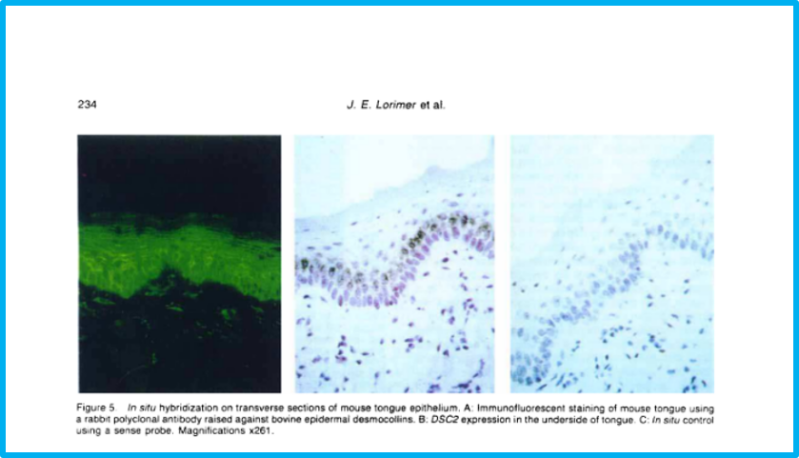
To emphasise the Cell junction studies in particular, not only did this work culminate in the aforementioned publication, but an archetypal description of a cell junction isoform was integral to this publication and resulted in the deposition of primary sequence, and citations thereof, in Genbank and concomitant referencing in MGI Jackson database and Ensembl as well. Furthermore, this seminal paper describing the cell junction isoform included spatial IHC expression studies, which were featured on the front cover on that edition of the journal. 

In addition I have skills pertaining to gene expression work, including protein expression & purification (for drug discovery assays), IHC P (including tissue microarrays), immuno fluorescence, ELISA, (35S) in situ hybridisation, RNA CISH (RNAScope®), RT PCR, real time qRT PCR including Taq Man, high throughput Affymetrix Microarray biochips & Automated DNA Sequencing.

By way of example, see:

  1. Micro array gene expression.
  2. Automated DNA Sequencing.
  3. Protein Expression.

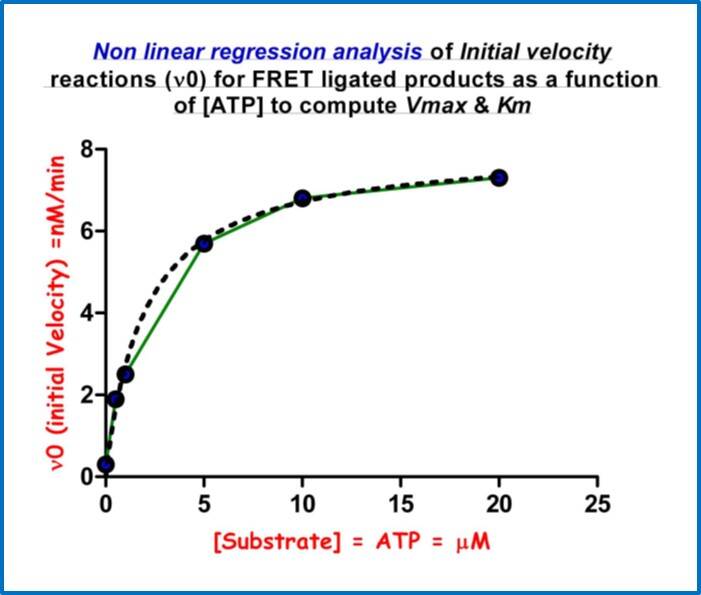
I also have applied/high through put molecular skills such antibody panel screening using tissue microarrays, (BAC clone derived) shot gun sequencing; Genome scans; & biochemistry skills: in particular, development & optimisation of a high throughput (FRET) drug discovery assay; Drug screening, efficacy testing & enzyme kinetics (e.g. Michaelis Menten kinetics and computing substrate Km);& enzyme expression & purification (for drug discovery assays).

By way of example:

  1. Drug Discovery.
  2. Drug discovery #2.

I possess the standard panoply of TC skills, i.e. in vitro culture, growth curves & transfections (for example). I have also generated primary cell lines from human tissue explants (thymus), derived and cultured macrophages from whole blood and buffy coat extracts, as well as worked in specialist TC (Cat #3) facilities (for example) and maintained a Cat #2 TC facility, including cell line testing for Mycoplasma. I have practiced and developed both viability assays & cytotoxic assays (to implement high through put in vitro screens).

By way of example:

  1. Primary culture and gene expression (qRT-PCR).
  2. Primary culture and gene expression #2.

Paper describing DSC-2

This paper, in which I am a co author, is the reference on Gen Bank for DSC-2 and features my spatial expression data. This IHC work was performed at the University of Manchester, circa 1992-1995 

Paper Elucidating TP in EBV

This publication features a lot of work by me i which I clarify expression patterns of EBV Terminal protein by Western blotting in lymphocytes. Work was performed at the Ludwig Institute for Cancer Research, circa 1988-1991.

Discovery & Description: Murine Desmocolin 2 (DSC 2), a protein isoform junction rivet

In the last section I made reference to an index paper, quoted on Ensembl and Gen Bank.

This paper and the associated primary sequence pertain to characterising the gene for a protein isoform that is integral to a cell junction protein called Desmocollin 2. My contribution was to elucidate spatial expression by in situ hybridisation in FFPE sections of key tissues.   

Description of Mouse DSC-2

This is a depiction of a CDS for murine desmocollin type 2 (DSC-2) deposited in GenBank. The archetypal paper is a publication I feature in.

Paper describing DSC-2

This paper, in which I am a co author, is the reference on Gen Bank for DSC-2

Targetted Gene Expression & Automated DNA Sequencing

In 1995, I set up a DNA sequencing core facility at the University of Manchester, based on ABI 377 Sanger sequencing technology. This involved production sequencing for a plethora of projects within Manchester laboratories, culminating in acknowledged contributions on peer reviewed papers and input into a Text book on DNA sequencing, circa 1994. I also provided in person and tutorial technical troubleshooting advice to facility clients and, on the strength of my performance, was invited by academics in Manchester to provide lectures to MSc students about DNA sequencing technology and, in addition, organise and run a 2 day practical workshop on DNA sequencing as a module on the MRes course.  

On the strength of that experience, in 2000, I was invited to participate in production sequencing, in a bespoke position, in a public consortium laboratory associated with the Human Genome project, at AECOM, Yeshiva University: Specifically, the Harvard partners health care  Center for Genetics & Genomics, linked to Mass General Brigham and the Department of Genetics . At that time, I was the first person to be hired from abroad without a PhD into the Molecular Genetics Department at AECOM.

By way of example and regarding my time in the sequencing facility at Manchester:

  1. Automated DNA Sequencing.
  2. Targeted genomic Sequencing in in vitro models of hypertension.
  3. Targeted genomic sequencing of MHC allotyes and connection to  in vitro models of auto immunity.
  4. Examples of genomic sequencing data from projects linked to the ABI 377, ABI 3100 and Amersham Megabace platforms.  

During my time in the US, I was an active participant in the Association of Biomolecular Resourse Facilities (ABRF),   including presenting posters, conference abstracts and speaking at their Annual Conference in San Diego in 2001

Specifically, I served as a member of the ABRF DNA Sequencing Forum and played an active role in studies which evaluated (then) current DNA technologies and how they performed in the field. Some of these studies were presented as abstracts and posters @ ABRF 2001 and published in Journal of Biomolecular Techniques. 

Examples of my DNA sequencing work, in addition to ABRF Poster publications are provided in my Weebly profile.

From 2002 until 2005, I was involved in a targetted sequencing project, designed to elucidate SNPs linked to hypertension, based on a rat genetic (congenic) model. Specifically, I targetted eQTL's with primers and both amplified and sequenced cDNA species in congenic hypertensive and normotensive rat models, attempting to discern differences in SNP indexed haplotypes, linked to these QTLs. The work culminated in identification of salt regulating regulating candidate genes and was reported at numerous conferences and in press.

Published Book

This publication on DNA sequencing features data figures supplied by me, generated on the ABI 377 at the university of Manchester

ABRF 2001 Poster

A poster displayed at ABRF 2001 trade show and derived from data compiled by the DSRG working group, of which I was a member and to which I contributed.

Targetted Gene Expression & Automated DNA Sequencing

In 1995, I set up a DNA sequencing core facility at the University of Manchester, based on ABI 377 Sanger sequencing technology. This involved production sequencing for a plethora of projects within Manchester laboratories, culminating in acknowledged contributions on peer reviewed papers and input into a Text book on DNA sequencing, circa 1994. I also provided in person and tutorial technical troubleshooting advice to facility clients and, on the strength of my performance, was invited by academics in Manchester to provide lectures to MSc students about DNA sequencing technology and, in addition, organise and run a 2 day practical workshop on DNA sequencing as a module on the MRes course.  

On the strength of that experience, in 2000, I was invited to participate in production sequencing, in a bespoke position, in a public consortium laboratory associated with the Human Genome project, at AECOM, Yeshiva University: Specifically, the Harvard partners health care  Center for Genetics & Genomics, linked to Mass General Brigham and the Department of Genetics . At that time, I was the first person to be hired from abroad without a PhD into the Molecular Genetics Department at AECOM.

By way of example and regarding my time in the sequencing facility at Manchester:

  1. Automated DNA Sequencing.
  2. Targeted genomic Sequencing in in vitro models of hypertension.
  3. Targeted genomic sequencing of MHC allotyes and connection to  in vitro models of auto immunity.
  4. Examples of genomic sequencing data from projects linked to the ABI 377, ABI 3100 and Amersham Megabace platforms.  

During my time in the US, I was an active participant in the Association of Biomolecular Resourse Facilities (ABRF),   including presenting posters, conference abstracts and speaking at their Annual Conference in San Diego in 2001

Specifically, I served as a member of the ABRF DNA Sequencing Forum and played an active role in studies which evaluated (then) current DNA technologies and how they performed in the field. Some of these studies were presented as abstracts and posters @ ABRF 2001 and published in Journal of Biomolecular Techniques. 

Examples of my DNA sequencing work, in addition to ABRF Poster publications are provided in my Weebly profile.

From 2002 until 2005, I was involved in a targetted sequencing project, designed to elucidate SNPs linked to hypertension, based on a rat genetic (congenic) model. Specifically, I targetted eQTL's with primers and both amplified and sequenced cDNA species in congenic hypertensive and normotensive rat models, attempting to discern differences in SNP indexed haplotypes, linked to these QTLs. The work culminated in identification of salt regulating regulating candidate genes and was reported at numerous conferences and in press.

Spondin 1 Paper

A paper in which a candidate gene for hypertension was identified in a rat congenic model, engendering an introgressed eQTL. I identified haplotype SNPs by DNA sequencing. This work was done by me during my time in CVS at Glenfield, circa 2002-2005.

Project Sequencing Manchester Uni.

A paper in which I contributed to sequencing and contig building linked to candidate genes associated with biofilm Quorum sensing. I performed this work during my time at Manchester  circa 1997-2000.

Gene Expression: Elucidation of pathogenesis

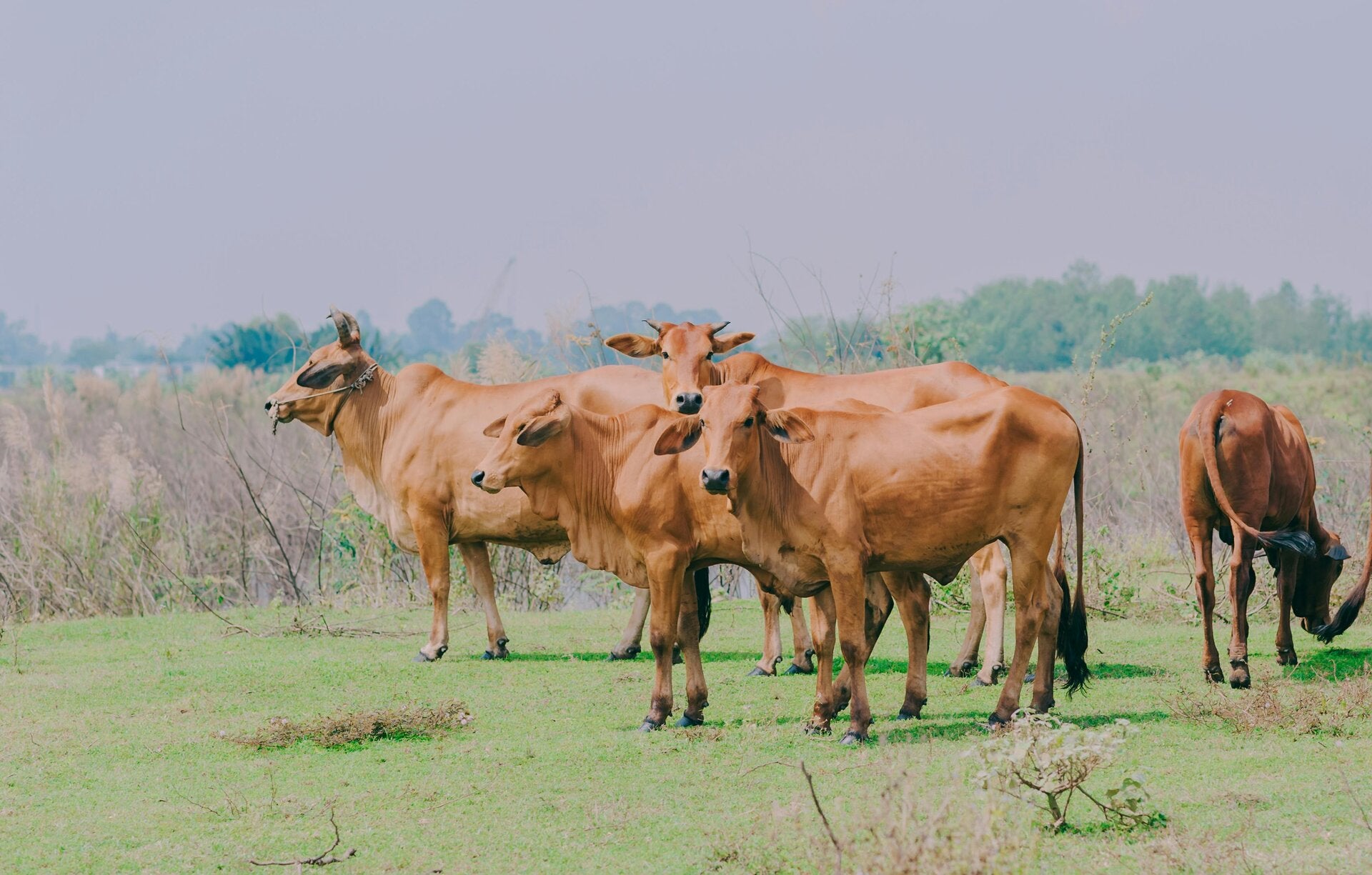
Between 2005 and 2012, I engaged in wet bench work pertaining to genomic studies of gene expression underpinning  Bovine African sleeping sickness or "Nagana" in the field in Kenya, Africa and in laboratory based engineered mouse models. The purpose of these field based and in vivo studies was to elucidate snap shots of gene expression in different animal genotypes and attempt to identify genes seminal to the pathology of sleeping sickness in the wild.  

By way of example, and regarding temporal snap shots of gene expression in animal models:

  1. Field studies on candidate gene expression in the wild, putatively linked to African sleeping sickness.
  2. Conference posters on studies elucidating gene expression profiles in different pathogenic states of Nagana.
  3. A seminal paper in PNAS describing key genes in African Sleeping sickness in cattle.

Sleeping Sickness Resistance paper

A paper in which expression data sets linked to Tryp sleeping sickness resistance in the wild were generated by me using Affymetrix biochips to elucidate eQTLs with putative pathology linkage. This work was done by me during my time at the Roslyn Institute circa 2005-2008.

Sleeping Sickness Resistance paper

A paper in which expression data sets linked tosleeping sickness resistance in congenic models were generated by me using Affymetrix biochips, to elucidate eQTLs with putative pathology linkage. This work was done by me during my time at the Roslyn Institute circa 2005-2008.

Work associated with my time at the Roslyn Institute, circa 2002-2005: Specifically, overarching aim of this collaborative project was to identify genes underpinning wild type sleeping sickness in Eastern Africa and to further define, refine and recapitulate these efforts in In Vivo mouse models. My contribution was generating data sets of expressed transcripts using Affymetrix Micro Array technology.

Gene Expression data

A poster presentation at conference in which data sets were used to elucidate putative gene pathways linked to Tryp resistance in WT cattle.  This work performed by me at Edinburgh University,  circa 2008-2012.
Gene Expression data

Another poster presentation at conference in which data sets were used to elucidate putative gene pathways linked to Tryp resistance in WT cattle.  This work performed by me at Edinburgh University,  circa 2008-2012.
Bench work Receiving International Media Attention

I have participated in projects with media coverage e.g. BBC world service; both BBC & Channel 4 television & US/international media. See my Technique pages on my Weebly ancillary web site.

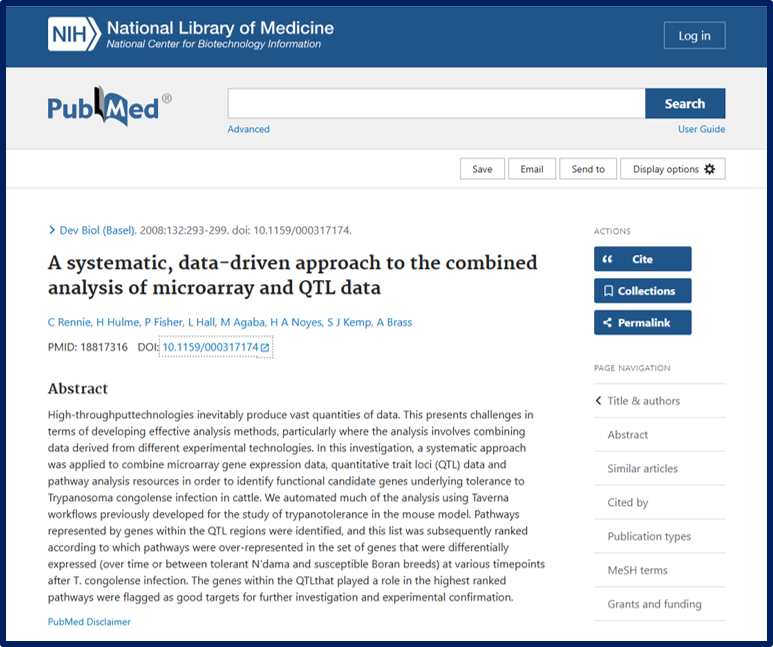
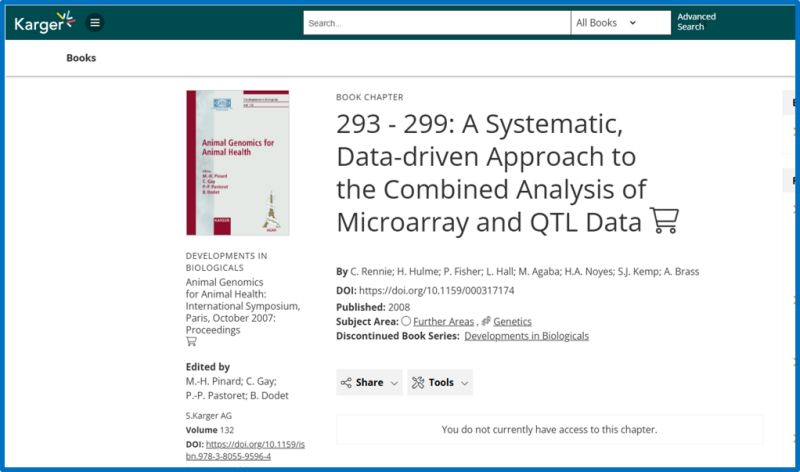
Specifically, I participated in a project, whose mission was to identify and charaterise genetic haplotypes linked to the pathogenesis of sleeping sickness in cattle in the wild ("Nagana") by utilising data  expression cohorts from resistant and suspectible breeds of cattle in the wild from pathogenic pertinent tissues, derived from Micro Array biochips. This data collection, mining and analysis provded fruitful and resulted in a seminal publication in PNAS. Furthermore, to augment and further refine wild type data, in vivo experiments were also performed on genetic models of Nagana in mouse models, thereagain derived from global snap shots of gene expression in pertinent tissues, generated with Affymetric Biochips. There again, this data resulted in key publications , as well as conference abstracts & even a book chapter. 

Gene Expression data

A book chapter in which data sets were used to elucidate putative gene pathways linked to Tryp resistance in WT cattle.  This work performed by me at Edinburgh University,  circa 2008-2012.

Gene Expression data

A book chapter in which data sets were used to elucidate putative gene pathways linked to Tryp resistance in WT cattle.  This work performed by me at Edinburgh University,  circa 2008-2012.

Drug Discovery: Gene targets for Human African Trypanosomiasis (HAT)

Between 2008 and 2012, I engaged in wet lab work attempting to identify small compounds that, based on in vitro assays, inhibit a key metabolic enzyme in Trypansome parasites responsible Human African Trypanosomiasis (HAT) and, as such, could constitute a putative therapeutic target for HAT. 

The work comprised Four stages:

  1. Developing a luminescent assay that would place the recombinant enzyme target front and centre in an in vitro assay, enabling screening of small molecule(s). Preceeding the assay, work was put in to expressing and purifying active recombinant target. A poster succintly describes key stages in this development and optimisation. 
  2. Validation of the assay using compounds with tried and tested efficacy against the protein target. This is illustrated in another conference poster.
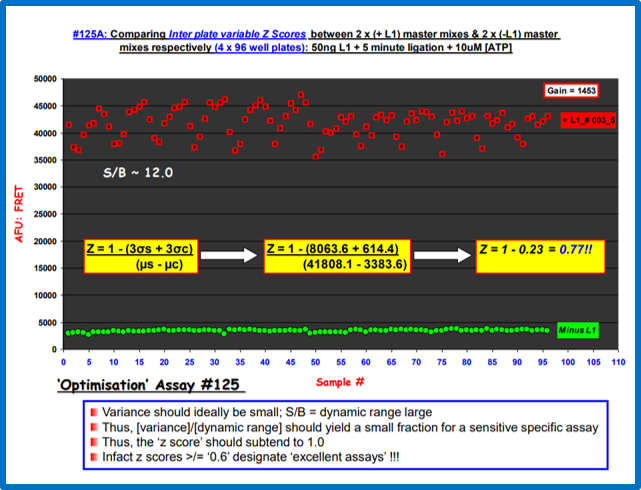
  3. Optimisation of the assay to improve specificity and sensitivity.
  4. Screening caches of compounds that had been predicted to bind to the target protein by in silico modelling. A series of conference posters were used to present this story, including this one. 

The over all procedural pipeline from de novo assay to compound screen is tracked in working portfolios linked to my weebly web site. Beyond this empirical bench work, two publications came to press, describing the two  stages of this project, namely:

  1. Initial validation of the assay using known inhibitors of the recombinant enzyme target. 
  2. Subsequent assay optimisation to improve sensitivity and specificity.

Proof of principle paper

A paper in which compounds identified by in silico modelling were evaluated for actual REL 1 binding efficacy in vitro  This work performed by me at Edinburgh University,  circa 2008-2012.

Assay development paper paper

A paper in which the basic FRET assay, validated as specific opposite, is further tweaked to improve sensitivity & S:N. This work was performed by me at Edinburgh University, circa 2008-2012.

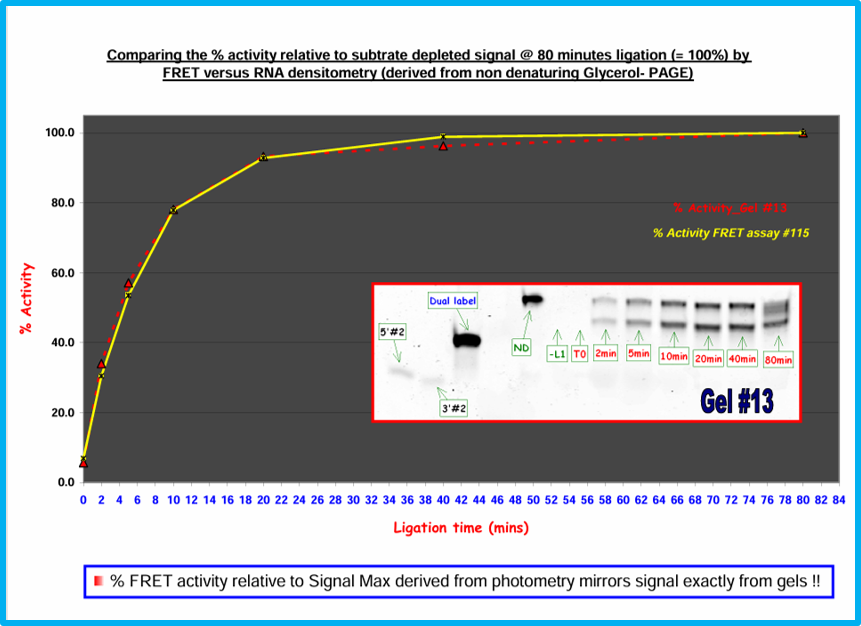
Development of a FRET Assay for Anti HAT drug discovery

Work associated with my time @ Edinburgh University, circa 2008-2012, in which I was part of an ambitious project whose aim was to indentify small molecule inhibitors of a key enzyme and putative target protein for Human African Trypanosomiasis (HAT) called RNA Editing Ligase 1 (REL1). My personal contribution was as follows:

  • To express a recombinant form of the target protein enzyme.

  • To Develop a high through put FRET drug screening assay, based on this enzyme.  

  • To utilise this assay In Vitro to screen small compound libraries and identify inhibitors of REL 1 by FRET.

  • To evaluate the efficacy of identified inhibitors by implementing a "killing fields" In Vivo cytotoxic assay against live Trypanosome parasites using Alamar Blue. 

  • The work was highly successful on my part and culminated in two key publications and numerous conference posters. 

Posters & project reports showing key stages in the development of a FRET based in vitro assay for high through put screening of small compound libraries in order to identify antagonists of recombinant REL 1 and thus putative anti HAT chemo therapeutics  
Gene Expression and Hydrogels

In 2014, I spent 1 year working on a project, in which primary lymphocytes were cultured in vitro in conditions conducive to specialised ontogeny. Behaviour in vivo was then modelled in vitro in hydrogels and concomitantly, gene expression was eluidated as a snap shot using real time qPCR. I was responsible for generating real time gene expression data and this work resulted in seminal publication(s) and conference presentations.

Investigating gene expression of transcription factors in primary leucocyte cultures by qPCR  This work was performed by me at Nottingham University,  circa 2012-2013.

Investigating gene expression of transcription factors  seeded with Primary leucocytes by qPCR  This work was performed by me at Nottingham University,  circa 2012-2013.

Create Your Own Website With Webador