


A career at the bench: Facts and Figures
Explore my extensive background in biomedical science, from cancer research to drug discovery. Discover my contributions to over 40 publications and more than 700 citations, showcasing a career dedicated to advancing scientific understanding.
| Years at the bench | 40 (circa 1985-2015) |
| Scientific Disciplines | Cardiovascular Sciences, Cancer Research, Virology, Genomics, Parasitology, assay development, drug discovery |
| Scientific Publications | #30 |
| Citations | 700 (circa 2026) |
| Countries resident at the bench | England, Scotland, Germany, USA |
| Book chapters & Figures | Two books to which I contributed data: One about automated DNA Sequencing (circa 1997), the other Gene expression AffymetrixMicroarray data (circa 2008) |
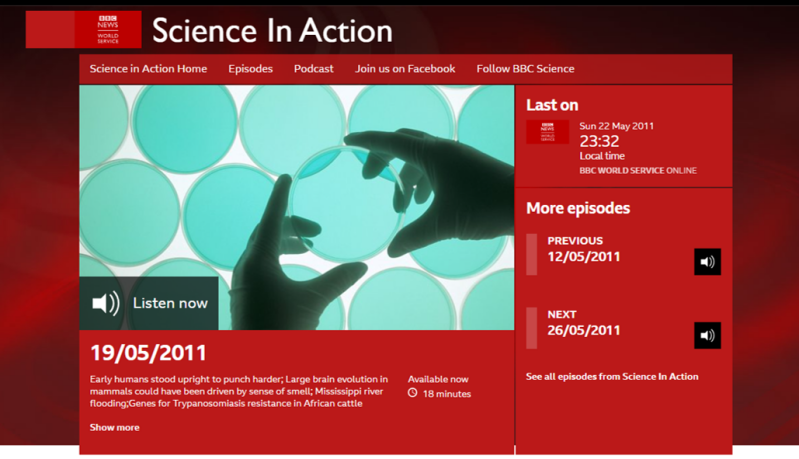
| Media attention engendered by scientific data | BBC "Heart of the Matter" (circa 2000), "The Really Wild show" (circa 1999), BBC World Service, "Science in Action" (circa 2011) |
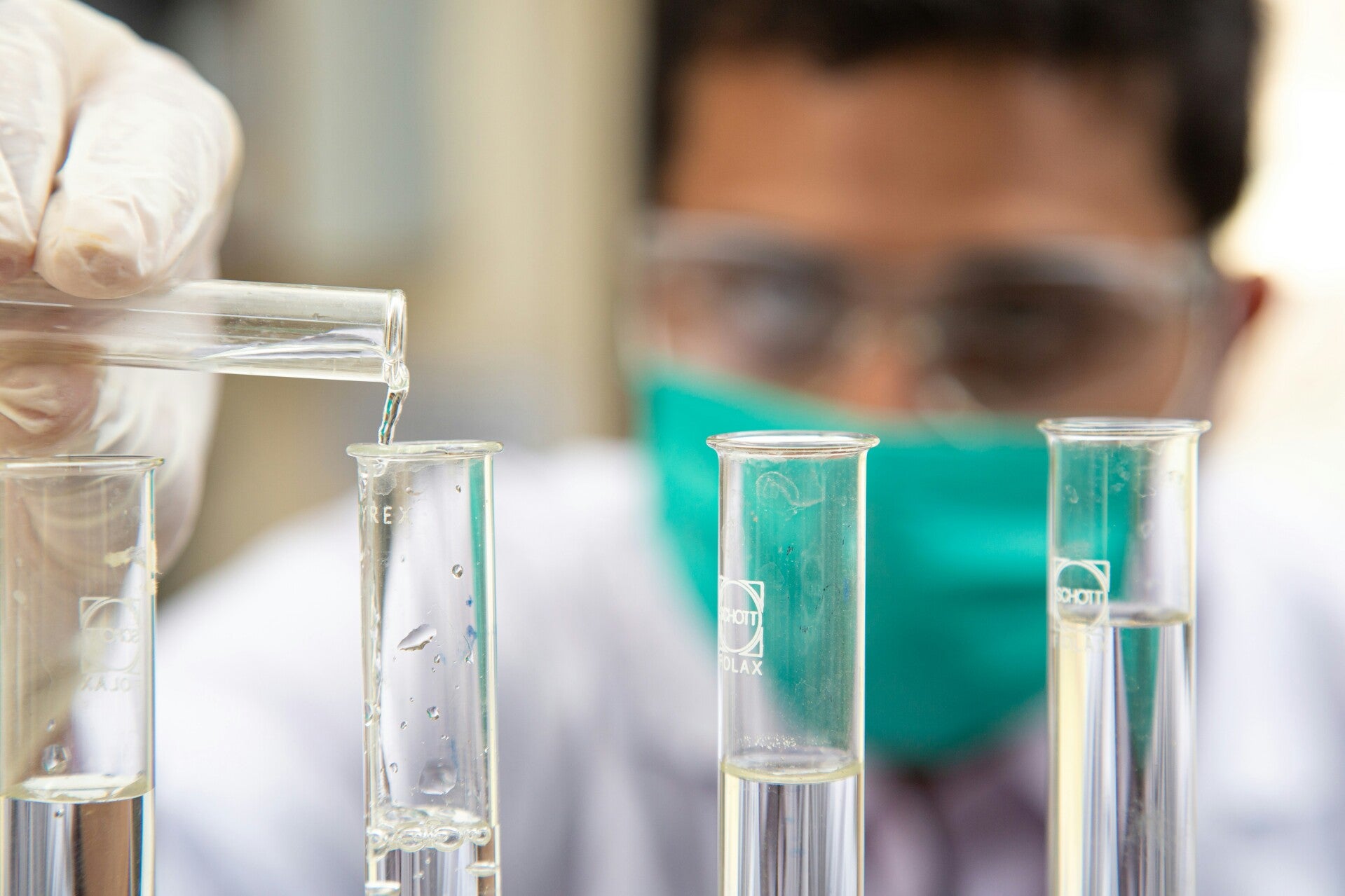
On overview of my technical career at the bench (circa 1987-2015)
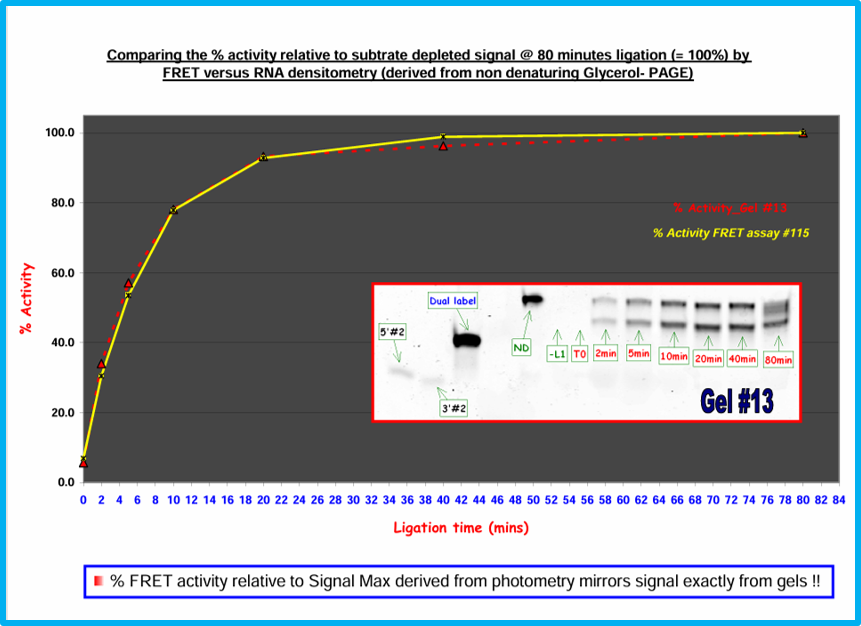
Examples of Work: RNA Conformers
This image depicts RNA conformers, validated initially on by non denaturing glycerol PAGE and subsequently ligated with recombinant REL1 for increasing periods of time. These ligation reactions were then resolved by glycerol PAGE and read photometrically in a 96 well plate. As you can see from above the two outputs conincide well. Work performed at the University of Edinburgh, circa 2008-2012.
Examples of Work: Microarray scans
These images depict labelled RNA species tthat have been used to interogate Affymetrix biochips to identify genes of interest in relevant biopsy samples. To ensure accurate data sets, cRNA can be QC verified on Agilent biochips and feature data can be normalised against internal chip controls. Work performed at the University of Edinburgh, circa 2005-2008.

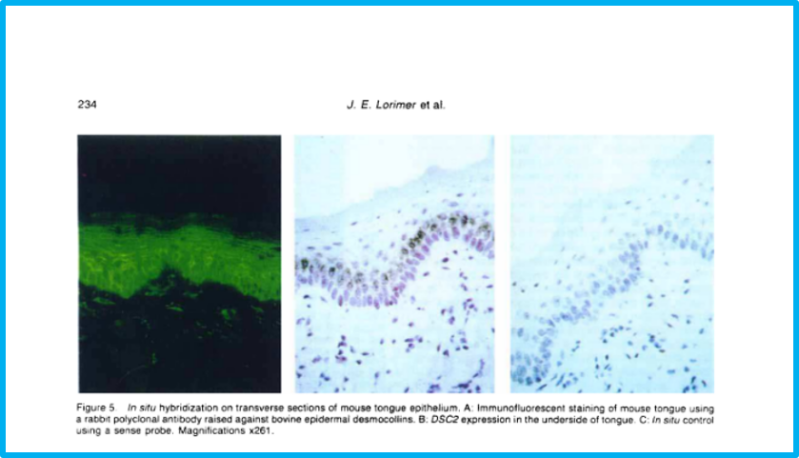
Examples of Work: In situ Hybridisation of candidate gene
This image is taken from the paper referenced below. The first plate shows a pan specific Ab to desmocollins arrayed through out the stratified epithelium and visualised by IF. The second plate shows the isoform DSC-2 specifically sequestered in the suprabasal layer of the epithelium (only) and was identified by IHC using a labelled antisense probe to DSC-2. The sense control depicted in the 3rd plate corroborates specificity. This work was performed in the CRC laboratory at the University of Manchester (circa 1993-1995).
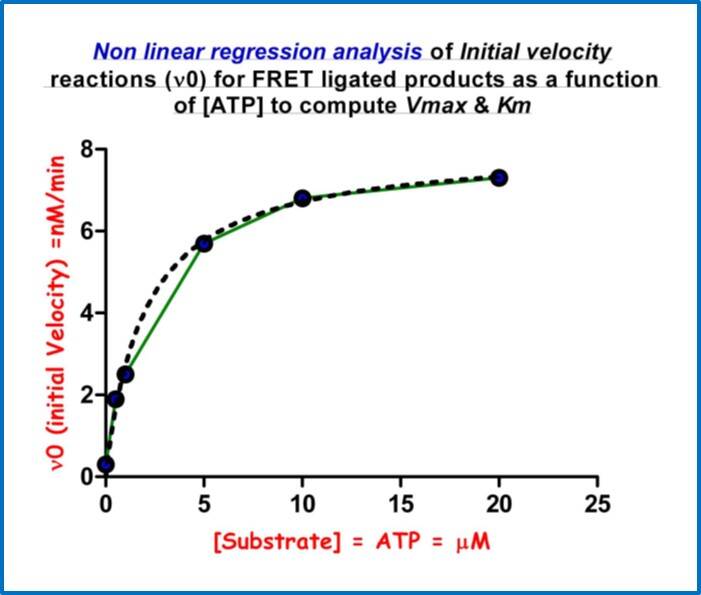
Examples of Work: Efficacy of drug assays
This image depicts non linear regression analysis of ligation data in vitro and resembling reactions opposite to compute reaction attributes such as Km. These parameters of enzymatic ligation In Vitro are required to validate data accuracy in FRET drug discovery screens. Circa 2008-2012.
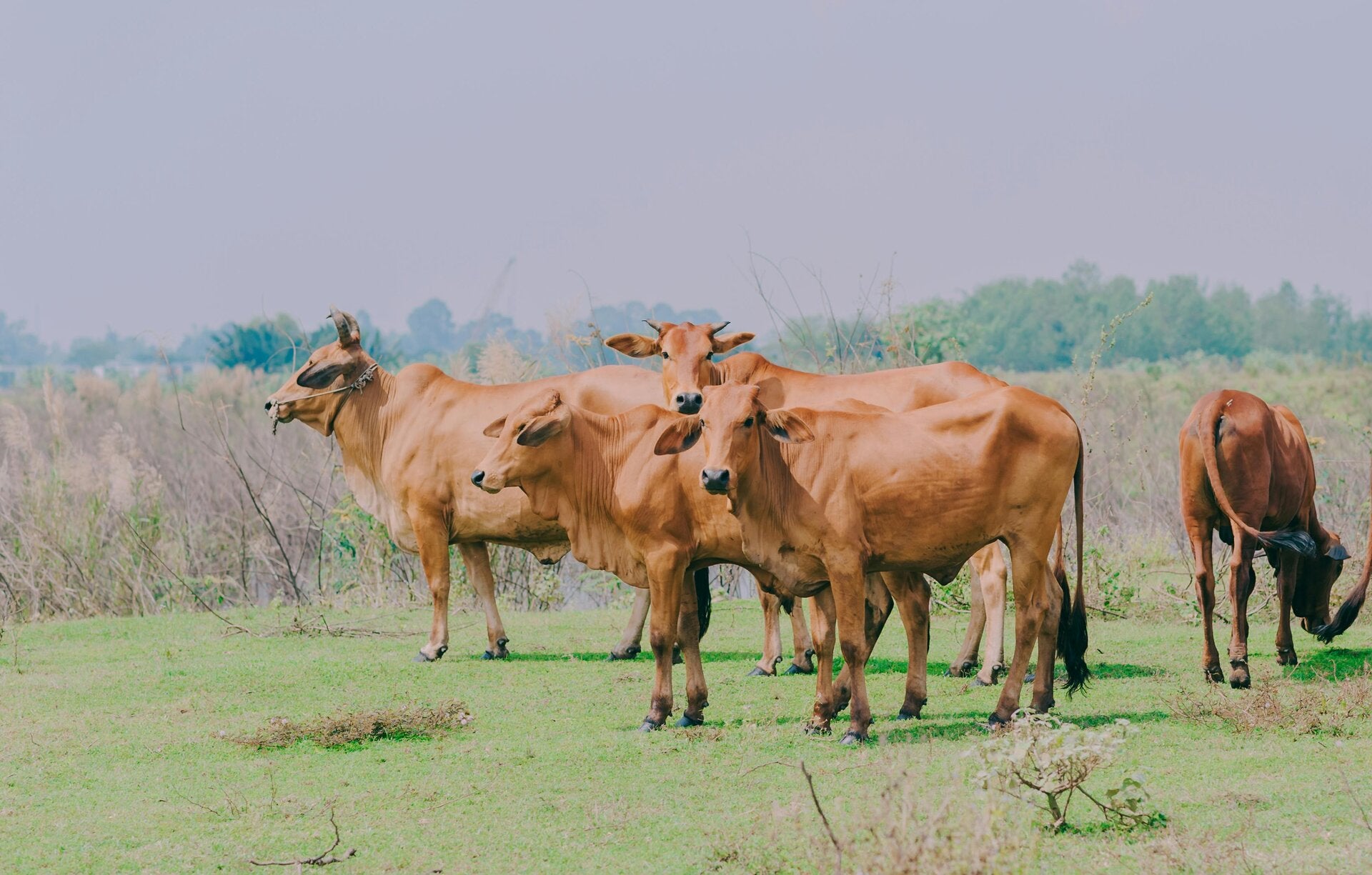
Work associated with my time at the Roslyn Institute, circa 2002-2005: Specifically, the overarching aim of this collaborative project was to identify genes underpinning wild type sleeping sickness in Eastern Africa and to further define, refine and recapitulate these efforts in In Vivo mouse models. My contribution was generating data sets of expressed transcripts using Affymetrix Micro Array technology.
Gene Expression data
A poster presentation at conference in which data sets were used to elucidate putative gene pathways linked to Tryp resistance in WT cattle. This work performed by me at Edinburgh University, circa 2008-2012.
Gene Expression data
Another poster presentation at conference in which data sets were used to elucidate putative gene pathways linked to Tryp resistance in WT cattle. This work performed by me at Edinburgh University, circa 2008-2012.
Gene Expression data
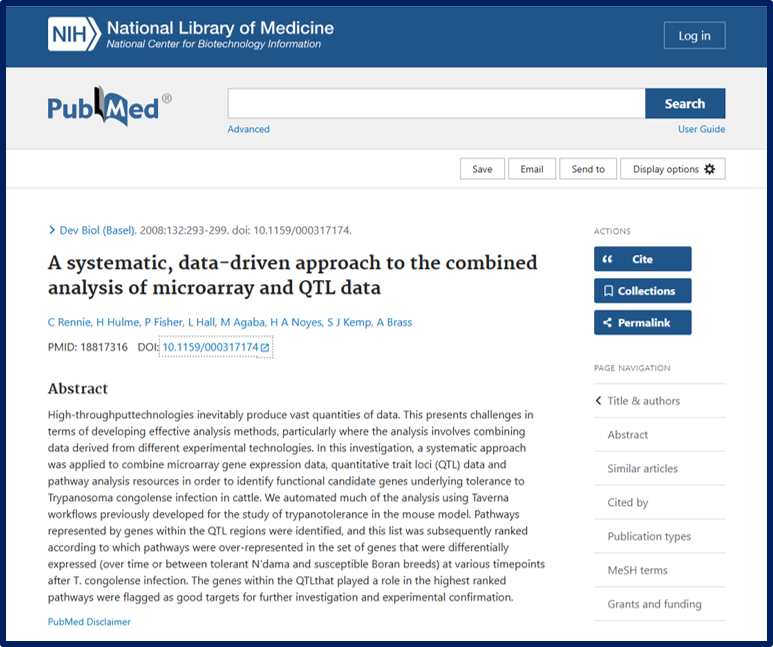
A book chapter in which data sets were used to elucidate putative gene pathways linked to Tryp resistance in WT cattle. This work performed by me at Edinburgh University, circa 2008-2012.
Gene Expression data
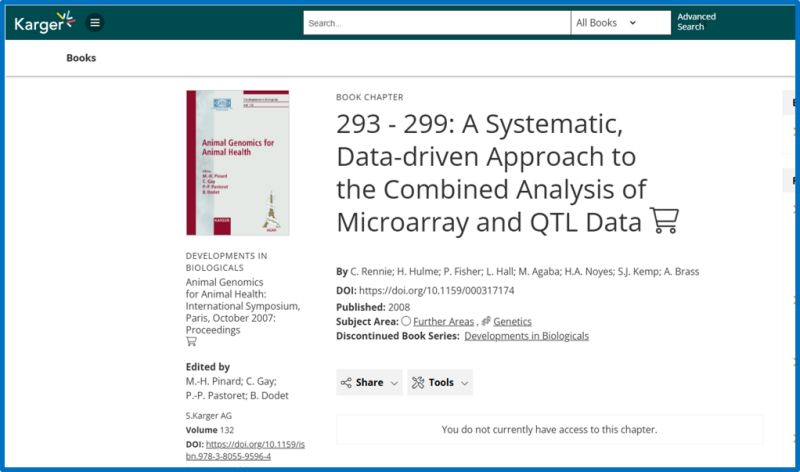
A book chapter in which data sets were used to elucidate putative gene pathways linked to Tryp resistance in WT cattle. This work performed by me at Edinburgh University, circa 2008-2012.

Proof of principle paper
A paper in which compounds identified by in silico modelling were evaluated for actual REL 1 binding efficacy in vitro This work performed by me at Edinburgh University, circa 2008-2012.
Assay development paper paper
A paper in which the basic FRET assay, validated as specific opposite, is further tweaked to improve sensitivity & S:N. This work was performed by me at Edinburgh University, circa 2008-2012.

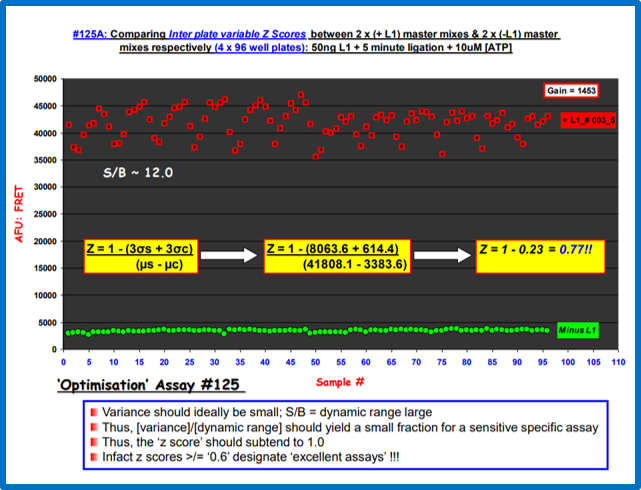
Posters & project reports showing key stages in the development of a FRET based in vitro assay for high through put screening of small compound libraries in order to identify antagonists of recombinant REL 1 and thus putative anti HAT chemo therapeutics
Investigating gene expression of transcription factors in primary leucocyte cultures by qPCR This work was performed by me at Nottingham University, circa 2012-2013.
Investigating gene expression of transcription factors seeded with Primary leucocytes by qPCR This work was performed by me at Nottingham University, circa 2012-2013.
Create Your Own Website With Webador